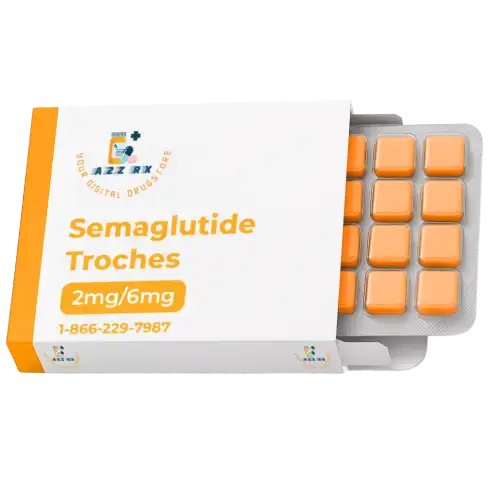

Semaglutide has rapidly become one of the
most talked-about compounds in today’s weight-management and metabolic-health
landscape. Among the emerging formulations is the Semaglutide Injectable
Vial (503A)—a compounded version prepared by specialized pharmacies under
Section 503A of the Federal Food, Drug, and Cosmetic Act. As demand grows for
alternatives to branded GLP-1 medications, many consumers and clinicians are
turning to options such as those offered by A2Z RX, along with
combination formulations like semaglutide L-carnitine injections. This
blog breaks down how semaglutide works, what makes the 503A vial unique, its
combination with L-carnitine, and current market trends surrounding these
products.
How Semaglutide Works
Semaglutide is a GLP-1 receptor agonist,
meaning it mimics a naturally occurring hormone that helps regulate blood sugar
and appetite. By slowing gastric emptying and enhancing feelings of fullness,
semaglutide can support weight management while also influencing insulin
secretion. Although originally approved for type 2 diabetes, its powerful
effects on appetite control have expanded its use into weight-loss regimens
under proper medical supervision.
What Is a Semaglutide Injectable Vial
(503A)?
A Semaglutide Injectable Vial (503A)
is a compounded prescription product prepared in a licensed compounding
pharmacy. Unlike mass-manufactured drugs, 503A medications are tailored to
individual patient needs based on a provider’s prescription.
Users often seek 503A semaglutide for
reasons such as:
- Customizable concentration
- Ability to combine with adjunct ingredients like L-carnitine
- Better accessibility when branded products face shortages
- Potentially lower cost depending on the provider
Compounding pharmacies like A2Z RX
supply semaglutide injectable solutions that meet quality standards, though
these products are not FDA-approved in the same way commercial drugs are. For
that reason, patients should always consult qualified healthcare providers and
ensure their pharmacy is reputable and compliant.
Semaglutide + L-Carnitine: A Growing
Combination
One of the trending compounded options is semaglutide
L-carnitine. L-carnitine is an amino-acid–derived compound involved in
energy production and fat metabolism. While semaglutide influences appetite and
glucose control, L-carnitine is often added to support metabolic efficiency.
Many users search for terms like:
- semaglutide L-carnitine cost
- semaglutide L-carnitine reviews
- semaglutide L-carnitine injections
- semaglutide L-carnitine dosage
because this combo has become popular in wellness clinics and weight-management programs. Reviews typically highlight improved energy and fat-loss synergy; however, results vary widely between individuals. Similarly, any dosage plan should be determined only by a licensed healthcare professional, as compounded dosing can differ from branded standards.
Potential Side Effects
As with any compounded medication, users
should be aware of possible semaglutide L-carnitine side effects, which
may include:
- Nausea or gastrointestinal discomfort
- Reduced appetite
- Fatigue
- Mild injection-site irritation
These effects often mirror standard GLP-1
medications, although individual tolerance differs. Medical guidance is
essential for monitoring and managing side effects.
Market Trends and the Future of
Semaglutide 503A
Demand for semaglutide 503A has
surged due to the high cost and limited availability of branded GLP-1 drugs.
Wellness providers and compounding pharmacies like A2Z RX are responding with
accessible offerings that maintain quality while offering customization. As
weight-management science evolves, compounded semaglutide solutions—especially
combination formulas like semaglutide L-carnitine—are poised to remain major
players.