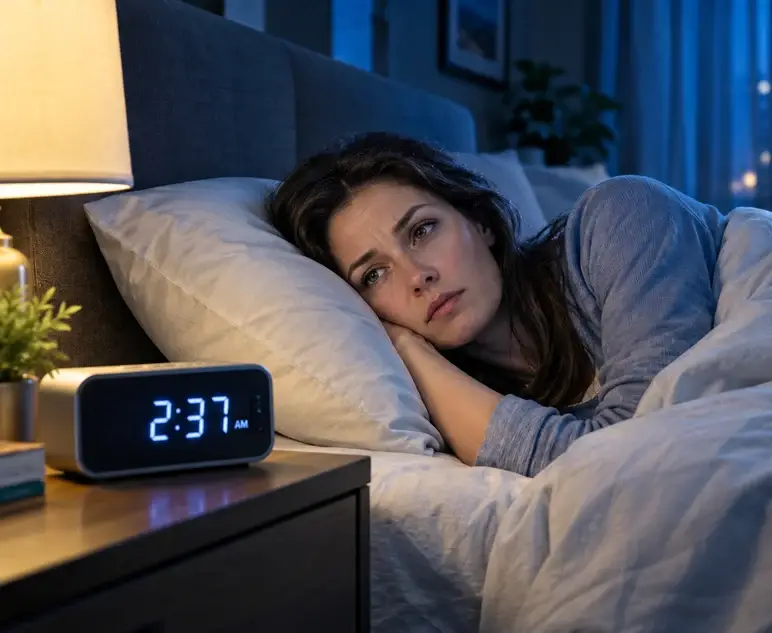
Sleep Treatment: Insomnia, Sleep Disorders & Treatment Options

Getting enough quality sleep is important for daily functioning, concentration, mood, and overall well-being. When difficulty falling asleep, staying asleep, or getting restorative sleep becomes persistent, it may be a sign of insomnia or another sleep disorder.Sleep problems can have many possible causes, including stress, changes in sleep schedules, medical conditions, medications, lifestyle factors, and underlying sleep disorders. Treatment therefore depends on the type and cause of the problem.


 This Sleep Treatment Hub provides an educational overview of insomnia treatment, sleep disorder treatment options, insomnia medications, behavioral approaches, safety considerations, and related treatment resources.
 A2Z RX LLC provides educational information about medications and treatment options. Individual treatment decisions should be made with a qualified healthcare professional based on personal medical circumstances.

LegitScript Certified

Verified Telehealth

OSHA Compliant

Board-Certified Care

HIPAA Compliant

Your Privacy Protected

Secure Delivery

Fast & Discreet Shipping

What Is Sleep Treatment?

Sleep treatment refers to approaches used to address problems that interfere with sleep

quality, duration, timing, or daytime functioning.

Treatment may involve:

  •  Behavioral and lifestyle changes
  •  Sleep-focused therapy
  •  Treatment of an underlying medical condition
  •  Management of another sleep disorder
  •  Prescription medication when clinically appropriate
  •  A combination of approaches

The appropriate approach depends on the specific sleep problem and its underlying cause.

What Is Sleep Treatment?

What Is Insomnia?

Insomnia is a sleep disorder characterized by difficulty falling asleep, staying asleep, or getting adequate sleep despite having an opportunity to sleep. It can also result in daytime symptoms such as fatigue, difficulty concentrating, or reduced functioning.
Insomnia may be:

Short-Term Insomnia
Short-term insomnia can occur during periods of stress, illness, travel, schedule changes, or other temporary circumstances.

Chronic Insomnia
Chronic insomnia involves persistent sleep difficulties and associated daytime impairment. It may require a more structured evaluation and treatment approach.
Identifying the underlying contributors is an important part of determining an appropriate treatment for insomnia.

Common Sleep Medications & Treatment Resources

The following medications are part of the A2Z RX Sleep Treatment . Each medication has its own indications and safety considerations, so the individual medication information should be reviewed separately.

DESCRIPTION

Ambien

Trusted sleep support treatment designed to help you fall asleep faster and rest more comfortably.

  •  Contains Zolpidem, a clinically established medication for insomnia treatment
  •  Helps support faster sleep onset and improved nighttime rest
  •  Simple, effective, and provider-guided treatment for sleep difficulties
  •  Available in 5mg and 10mg strengths with consultation available when appropriate
DESCRIPTION

Trazodone

Trusted sleep and wellness treatment designed to support restful sleep and emotional well-being.


  •  Contains Trazodone, a commonly prescribed medication used to support sleep and mood health
  •  Helps promote relaxation, improve sleep quality, and support emotional balance under provider supervision
  •  Personalized treatment plans with ongoing doctor-guided care when appropriate
  •  Available in 100mg and 200mg strengths with discreet delivery options available to eligible patients

Common Sleep Problems

Not every sleep problem is insomnia. Other conditions can affect sleep and may require different approaches.

Common sleep-related concerns include:
  • Difficulty falling asleep
  • Waking frequently during the night
  • Waking too early
  • Poor-quality or non-restorative sleep
  • Irregular sleep schedules
  • Excessive daytime sleepiness
  • Sleep-related breathing problems
  • Restless or uncomfortable sensations affecting sleep
  • Sleep problems associated with stress or lifestyle changes
If sleep problems continue or significantly affect daily life, professional evaluation can help determine whether an underlying sleep disorder is present.

What Causes Sleep Problems?

Sleep difficulties can have many possible contributors.

01

Stress and Anxiety

Stressful events, persistent worry, or changes in daily circumstances can make it harder to relax and fall asleep.

02

Irregular Sleep Schedule

Frequent changes in bedtime, waking time, work schedules, or travel can disrupt normal sleep patterns.

03

Lifestyle Factors

Caffeine, alcohol, nicotine, late-night screen use, and inconsistent sleep habits may affect sleep quality.

04

Medical Conditions

Some medical conditions can interfere with sleep directly or contribute to discomfort that makes sleeping difficult.

05

Medications

Certain medications can affect sleep or alter normal sleep patterns.

06

Other Sleep Disorders

Conditions such as sleep apnea or restless legs syndrome can cause sleep disruption and may require condition-specific treatment. Because causes vary, effective sleep problems treatment should address the underlying issue rather than focusing only on nighttime symptoms.

How to Treat Insomnia

There is no single treatment that works for every person with insomnia.

A healthcare professional may consider:

01

The duration and severity of symptoms

02

Sleep schedule and habits

03

Possible medical causes

04

Mental health and stress factors

05

Other medications

06

Alcohol, caffeine, or nicotine use

07

Other sleep disorders

08

Previous treatments

09

Individual health history

Treatment may involve behavioral approaches, sleep-focused therapy, lifestyle changes, medication, or a combination of strategies.

Behavioral Approaches for Insomnia

For many people, improving sleep habits is an important part of insomnia treatment.

01

1. Maintain a Consistent Sleep Schedule

Going to bed and waking up around the same time each day can help establish a consistent sleep routine.

02

2. Create a Sleep-Friendly Environment

A bedroom that is quiet, comfortable, and appropriately dark can support better sleep.

03

3. Limit Stimulants Near Bedtime

Caffeine and other stimulants can interfere with sleep, particularly when consumed later in the day.

04

4. Develop a Relaxing Bedtime Routine

Relaxing activities before bedtime may help create a consistent transition toward sleep.

05

5. Manage Evening Screen Exposure

Reducing stimulating activities and screen use close to bedtime may be helpful for some people.

06

6. Address Persistent Sleep Problems

If sleep difficulties continue despite healthy sleep habits, professional evaluation may be appropriate.

Benefits and Limitations of Sleep Treatment

Effective treatment can help improve sleep quality and daytime functioning when the underlying problem is correctly identified.

Potential benefits may include:

Easier sleep initiation
Fewer nighttime awakenings
Improved sleep consistency
Better daytime functioning
Reduced sleep-related distress
Improved overall sleep quality

However, treatment also has limitations.

Not every treatment works for every person, and some medications can cause side effects, interactions, tolerance, dependence, or next-day impairment. Behavioral approaches may also require time and consistent participation.

For these reasons, treatment should be individualized rather than based solely on the name of a medication or a single symptom.

Sleep Medication Safety

Prescription sleep medications can have important safety considerations.

Before starting a medication for sleep, discuss:

  • Other prescription medications
  • Over-the-counter medicines
  • Supplements
  • Alcohol use
  • Existing medical conditions
  • Pregnancy or breastfeeding when applicable
  • Previous reactions to medications
  • History of substance-use concerns when relevant
Some sleep medications can cause drowsiness or impair alertness. Certain medicines can also have serious warnings or interaction risks.
Never change the dose, frequency, or duration of a prescription sleep medication without appropriate medical guidance.

How A2Z RX LLC Works in Just
4 Easy Steps

Step 1
STEP 1

Complete a secure online medical intake form and screening.

Step 2
STEP 2

A licensed provider reviews your information and determines eligibility.

Step 3
STEP 3

Your medication is shipped in discreet packaging with free 2-day delivery.

Step 4
STEP 4

Ongoing care and support available anytime.

Frequently Asked Questions About Sleep Treatment

Sleep treatment includes behavioral, therapeutic, lifestyle, medical, and medication-based approaches used to address insomnia and other sleep problems.

Treatment depends on the cause and duration of insomnia. Options can include behavioral approaches such as CBT-I, improved sleep habits, treatment of underlying conditions, and medication when clinically appropriate.

How to treat insomnia depends on the individual's symptoms and underlying causes. Consistent sleep habits and behavioral treatment may be useful, while some people may also require medical evaluation or prescription medication.

Insomnia medication refers to prescription or other medicines used to address specific sleep-related symptoms. Different medications have different indications, risks, and safety considerations.

Yes. Ambien (zolpidem) is a prescription sedative-hypnotic used for the short-term treatment of insomnia characterized by difficulty falling asleep.

Trazodone is primarily an antidepressant. It is also used in clinical practice in relation to sleep, but its use should be discussed with a healthcare professional based on the individual's circumstances.

Common symptoms include difficulty falling asleep, difficulty staying asleep, waking too early, and experiencing daytime problems related to inadequate or poor-quality sleep.

Stress, irregular schedules, lifestyle factors, medications, medical conditions, and other sleep disorders can contribute to sleep problems.

Healthy sleep habits can support better sleep, but persistent insomnia may require a more structured evaluation and treatment approach.

If sleep problems are persistent, interfere with daily functioning, or occur with significant daytime sleepiness or other concerning symptoms, discussing them with a healthcare professional is appropriate.

Yes. Sleep medications can cause side effects, and the specific risks depend on the medication. Some may cause drowsiness, dizziness, impaired alertness, or other medication-specific effects.

Yes. Sleep difficulties can sometimes occur because of another sleep disorder, such as sleep apnea or restless legs syndrome. Identifying the underlying cause can help guide treatment.

Facebook

Instagram

Twitter

LinkedIn

Call Now

Get Free Consultation
YOUR CART (0)
Recommended For You
Loading recommendations…
Chat Widget – A2ZRX LLC

πŸ‘‹ Hi! Need Help With a Prescription or Refill?

βœ–
24Γ—7 Here to Help You
πŸ”΄ This Chat Has Been Closed By Support Team.