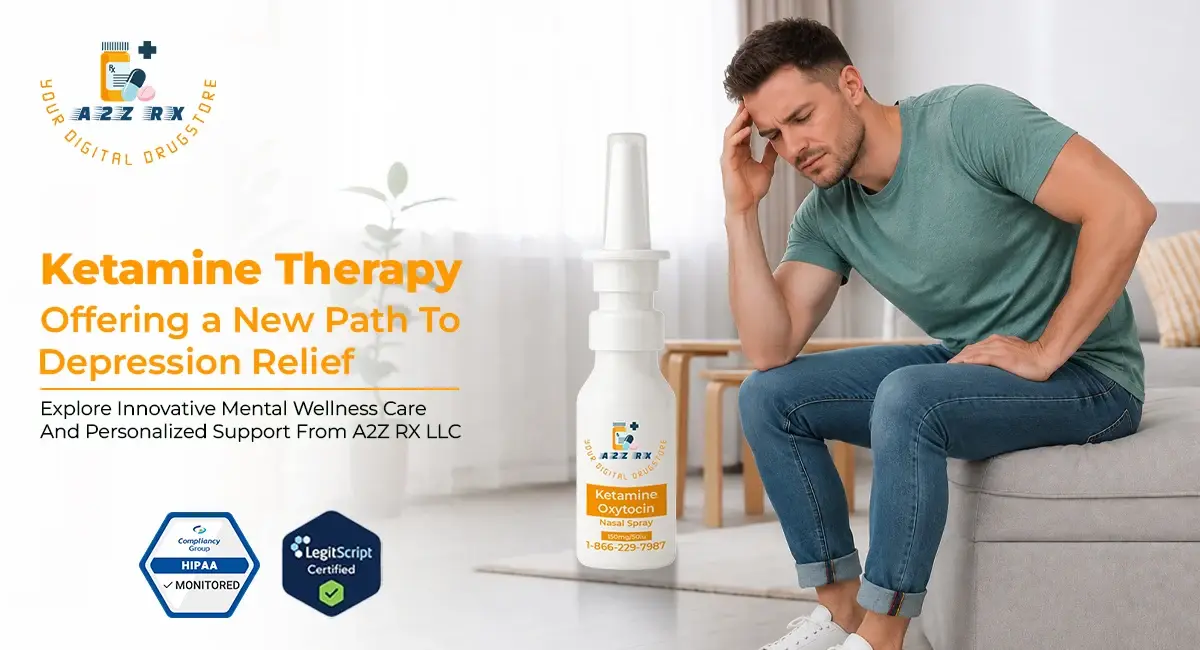
Depression is a complicated mental illness that doesn't usually improve with conventional therapies. In recent years, ketamine based therapy has gained attention as a fast acting option for treatment resistant depression under strict medical supervision.
This guide explains how it works, what to expect, safety considerations, and related emerging therapies in simple, user friendly language.
What Is Ketamine for Depression?
Ketamine is a medication originally developed as an anesthetic. Today, it is also used in controlled clinical settings for treatment resistant depression (TRD).
Unlike standard antidepressants, ketamine may work more quickly, sometimes improving symptoms within hours or days rather than weeks.
How Ketamine Therapy Works
In ketamine therapy, the medication affects brain chemicals involved in mood regulation, particularly glutamate pathways.
Potential effects include:
- Rapid reduction in depressive symptoms
- Improved mood and emotional relief
- Reduced suicidal thoughts in some patients
- Enhanced neural connectivity over time
This is why ketamine for depression has become a growing area of clinical interest.
Forms of Ketamine Treatment
Ketamine is not a one size fits all treatment. It is administered in different medical formats:
1. IV Ketamine Infusion
- Given in a clinical setting
- Monitored by healthcare professionals
- Common in psychiatric treatment centers
2. Nasal Spray Form
- FDA approved version exists (esketamine)
- Used under medical supervision
3. Compounded or Experimental Forms
Some discussions online include:
- ketamine 150mg
- ketamine 150mg ketamine therapy
These must only be used under strict prescription and supervision.
Ketamine for Depression: Who It May Help
Ketamine therapy is generally considered for:
- Treatment resistant depression
- Severe major depressive disorder
- Depression with suicidal thoughts (under supervision)
It is NOT typically a first line treatment and is used when other antidepressants have not worked.
How Fast Does Ketamine Work?
One of the most discussed benefits of ketamine therapy is speed:
- Some patients notice improvement within hours
- Effects may last days to weeks
- Repeated sessions may be needed
However, responses vary significantly between individuals.
Ketamine Side Effects and Risks
While promising, ketamine is not without risks.
Common side effects:
- Dissociation (feeling detached)
- Dizziness
- Nausea
- Temporary confusion
- Increased blood pressure
Potential risks:
- Misuse or dependency (rare in clinical settings)
- Short term memory issues
- Psychological discomfort during treatment
- Medical supervision is essential.
Ketamine Oxytocin Research Interest
Some emerging discussions involve combinations like:
- ketamine oxytocin
- ketamine oxytocin spray
- oxytocin nasal spray for men
- best oxytocin nasal spray
Oxytocin is being studied for its role in mood and social connection.
However:
- These combinations are still experimental
- Not standard psychiatric treatments
- Require more clinical research before widespread use
Ketamine Therapy and Mental Health Care
Ketamine should be viewed as part of a broader treatment plan, not a standalone cure.
Best results often include:
- Therapy (CBT or counseling)
- Lifestyle changes (sleep, exercise, nutrition)
- Psychiatric follow up
- Medication management when needed
Safety and Medical Supervision
Ketamine should only be used:
- In licensed clinics or hospitals
- With trained medical professionals
- With proper screening and monitoring
Self medication or unregulated use can be dangerous.
Role of Compounding and Online Interest
Some online searches include terms like:
- A2Z RX LLC
- ketamine therapy
- ketamine 150mg
While pharmacies or providers may discuss treatment options, ketamine is a controlled substance and must follow strict legal and medical guidelines.
Frequently Asked Questions (FAQ)
1. What is ketamine for depression used for?
It is used for treatment resistant depression when standard antidepressants are not effective.
2. How quickly does ketamine therapy work?
Some patients experience relief within hours or days.
3. Is ketamine safe for depression treatment?
It can be safe when administered in a controlled medical setting with supervision.
4. What are ketamine side effects?
Common effects include dizziness, dissociation, nausea, and temporary confusion.
5. What is ketamine 150mg used for?
Dosage varies by treatment plan and should only be determined by a healthcare provider.
6. What is ketamine oxytocin therapy?
It is an experimental area studying the combination of ketamine and Oxytocin for mood and emotional regulation.
7. Is oxytocin nasal spray approved for depression?
No standard approval exists for depression treatment; it remains investigational.
Final Thoughts
Ketamine for depression represents an important advancement in mental health care, especially for individuals who have not responded to traditional treatments. While results can be rapid and meaningful, it must always be used under strict medical supervision.
Emerging research into combinations like ketamine and oxytocin is promising but still developing, and should not be considered routine treatment.