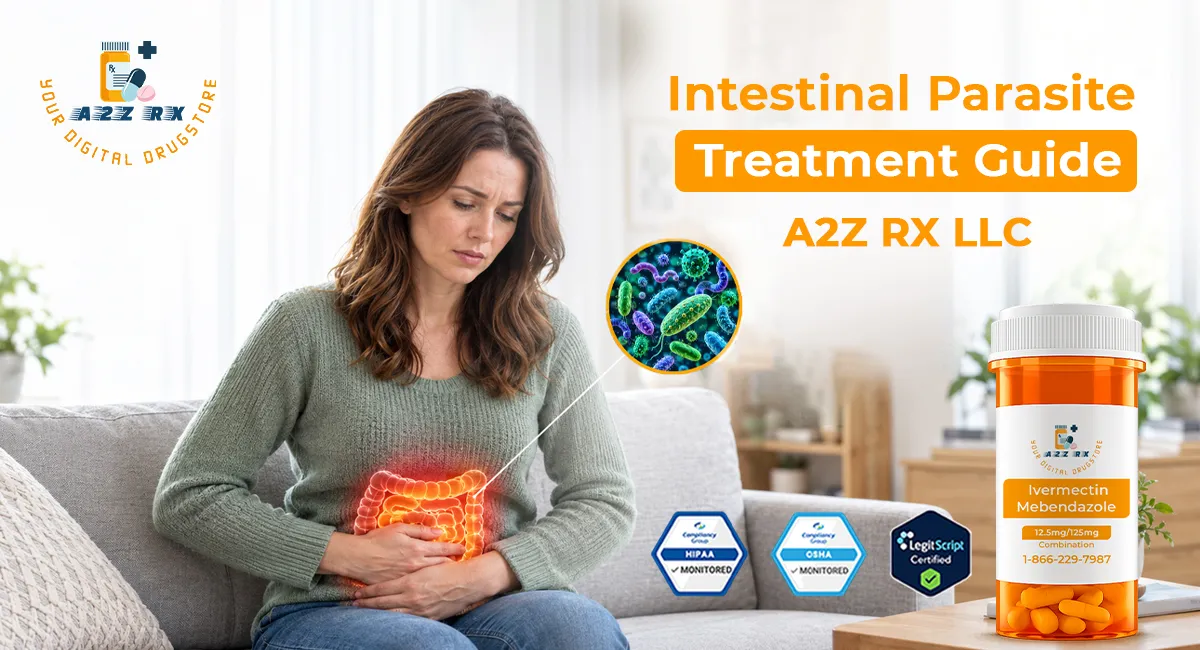
Intestinal parasite infections can affect
the digestive system and may cause symptoms such as abdominal discomfort,
diarrhea, bloating, nausea, and changes in appetite. These infections can
develop when a person comes into contact with contaminated food, water, soil,
or infected surfaces. The symptoms and severity depend on the type of parasite,
the person's health, and the extent of the infection. Understanding the cause
is an important first step toward effective intestinal parasite
treatment.
Modern approaches to parasite care focus on
accurate diagnosis, selecting an appropriate antiparasitic medicine, following
professional medical guidance, and preventing reinfection. Different parasites
respond to different medications, so a single treatment is not suitable for
every infection. A healthcare provider may recommend laboratory testing and
review medical history before deciding on a treatment plan.
A2Z RX LLC
provides online healthcare information and treatment access pathways. This
guide explains common intestinal parasites, their symptoms, diagnostic methods,
treatment options, medication safety, and practical prevention measures to help
readers make informed healthcare decisions.
Source:
Centers for Disease Control and Prevention (CDC), Diagnosis of
Parasitic Diseases.
What Are Intestinal Parasites?
Intestinal parasites are organisms that
live in or depend on the human body for survival. Some parasites are worms,
also known as helminths, while others are microscopic organisms called
protozoa. They can enter the body through contaminated food or water, contact
with contaminated soil, inadequate hand hygiene, or other exposure routes
depending on the organism.
Common intestinal worm infections include
roundworm, hookworm, whipworm, pinworm, and certain Strongyloides infections.
Protozoan infections, such as giardiasis, can also affect the digestive system
but require different treatment approaches from many worm infections.
Not every digestive problem indicates a
parasitic infection. Food intolerance, bacterial infections, viral illnesses,
and other digestive conditions can produce similar symptoms. A medical
evaluation helps distinguish these possibilities and identify the appropriate
care.
For more information about available
treatment approaches, explore the intestinal parasite
treatment hub.
Common Symptoms of Intestinal Parasite Infections
Symptoms vary depending on the parasite
involved. Some people have no noticeable symptoms, while others experience
digestive problems or complications that require medical attention.
Common symptoms may include abdominal pain
or cramping, diarrhea, bloating, nausea, changes in appetite, and unexplained
weight loss. Certain worm infections may contribute to anemia or nutritional
deficiencies. Pinworm infections commonly cause itching around the anus,
particularly at night.
Symptoms alone cannot reliably identify a
specific parasite. For example, persistent diarrhea may be associated with a
protozoan infection, while nighttime anal itching may suggest pinworm
infection. Other medical conditions can cause similar symptoms, so
self-diagnosis can lead to inappropriate medication use.
Seek medical advice if symptoms persist,
worsen, or return after treatment. Severe abdominal pain, bloody stools,
significant dehydration, fainting, or other serious symptoms warrant prompt
medical evaluation.
Source: CDC,
Diagnosis
of Parasitic Diseases.
How Are Intestinal Parasites Diagnosed?
Accurate diagnosis is an important part of
modern intestinal parasite treatment. Healthcare providers consider symptoms,
medical history, travel, food and water exposure, and other possible risk
factors when selecting tests.
A stool examination, often called an ova
and parasite test, can help identify certain intestinal parasites or their
eggs. Depending on the suspected infection, a provider may request samples
collected on different days because one sample may not detect every infection.
Other diagnostic methods include targeted
stool antigen or molecular tests, blood tests for selected parasitic
infections, and additional examinations when necessary. No single test detects
every type of parasite, so testing depends on the suspected organism.
Once the results are available, a
healthcare provider can determine whether medication is needed and which
treatment is appropriate. If symptoms continue despite a negative test, further
testing or an alternative diagnosis may need to be considered.
Source: CDC,
Diagnosis
of Parasitic Diseases.
Modern Approaches to Intestinal Parasite Treatment
Effective intestinal parasite treatment
depends on identifying the organism and choosing a medicine that works against
it. Antiparasitic medicines are not interchangeable, and different infections
may require different treatment durations, follow-up testing, or additional
measures to prevent reinfection.
Mebendazole for Certain Worm Infections
Mebendazole is an anthelmintic medicine
used to treat certain intestinal worm infections, including infections caused
by pinworms, roundworms, whipworms, and hookworms, depending on the specific
product and clinical indication.
The medicine works by interfering with
processes that worms need to survive. A healthcare provider determines the
appropriate regimen according to the infection, patient factors, and product
instructions.
A mebendazole tablet treatment
option is available to review through A2Z RX LLC. The product page provides
product-specific information; it should not be used as a substitute for
confirming the diagnosis or obtaining appropriate medical guidance.
Possible side effects include abdominal
discomfort, diarrhea, nausea, and vomiting. Patients should discuss pregnancy,
breastfeeding, liver problems, allergies, and other medications with their
healthcare provider before treatment.
Source:
MedlinePlus, Mebendazole
Drug Information.
Ivermectin for Specific Parasitic Infections
Ivermectin is an antiparasitic medicine
used for certain infections, including intestinal strongyloidiasis. It is not
effective against every intestinal parasite, and the appropriate regimen
depends on the organism and individual clinical circumstances.
The term Ivermectin 25mg may appear in
product-related searches, but a listed strength should never be interpreted as
a recommended dose. Ivermectin dosing depends on the specific medicine,
indication, body weight when relevant, and healthcare provider instructions.
Patients should verify the exact formulation and strength before use.
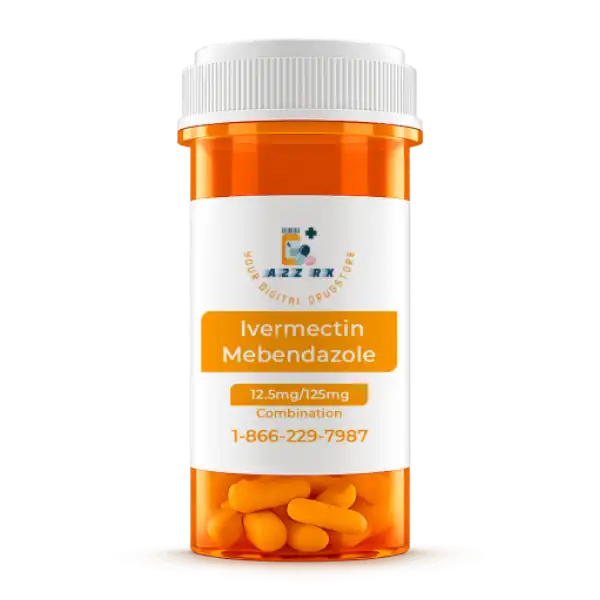
Readers researching an Ivermectin
and Mebendazole combination can review the product information provided
by A2Z RX LLC. A combination product should not be assumed to be more effective
or appropriate than a single medicine for every infection.
The clinical suitability of combining
antiparasitic medicines must be assessed by a qualified healthcare provider. Do
not combine separate medicines, repeat doses, or use an unverified regimen
without professional guidance.
Sources:
CDC, Clinical Care of
Soil-Transmitted Helminths; FDA, Ivermectin
and COVID-19.
Is a Combination Antiparasitic Medicine Always Necessary?
No. Treatment depends on the parasite
identified or strongly suspected by the healthcare provider. Some infections
respond to a single medicine, while others require a different medication or a
more specific treatment plan.
An Ivermectin-Mebendazole combination
should not automatically be considered a standard deworming treatment for every
patient. Evidence and recommendations for individual medicines are specific to
particular infections, and using unnecessary medicines can increase the risk of
adverse effects or interactions.
The appropriate approach is to confirm the
likely cause, review other health conditions and medications, and follow a
treatment plan designed for the diagnosed infection.
Medication Safety and Treatment Considerations
Before starting an antiparasitic medicine,
tell your healthcare provider about your current medications, supplements,
allergies, pregnancy or breastfeeding status, and relevant medical conditions.
These details can influence which treatment is appropriate.
Follow the prescribed instructions
carefully. Do not increase the dose, repeat a course, or use a medicine
intended for animals. Animal formulations are not interchangeable with
medicines intended for human use and may cause serious harm.
A healthcare provider may recommend
follow-up testing to determine whether an infection has cleared. This is
particularly important for certain infections that may persist or require
additional treatment. If symptoms continue or return, seek reassessment instead
of assuming that another course of medication is needed.
Children, pregnant patients, and people
with significant medical conditions may require additional precautions. Ask a
qualified healthcare professional about the benefits, risks, and alternatives
before beginning treatment.
How to Prevent Intestinal Parasite Infections
Prevention helps reduce the risk of
infection and reinfection. The most suitable precautions depend on how a
particular parasite spreads.
Wash your hands thoroughly with soap and
water after using the toilet, before preparing food, and before eating. Wash
fruits and vegetables carefully, use safe drinking water, and cook meat and
other foods to appropriate temperatures. Avoid contact with potentially
contaminated soil when possible and use suitable footwear in areas where
soil-transmitted parasites may be present.
For infections that spread easily between
household members, follow the healthcare provider's advice about cleaning, hand
hygiene, laundry, and whether other household members need evaluation or
treatment. Pinworm infections, for example, may require specific household
hygiene measures to reduce the chance of reinfection.
Preventive medication is not necessary for
everyone. Routine screening or treatment should be based on individual risk,
symptoms, exposure history, and professional recommendations.
Source: CDC,
Soil-Transmitted
Helminths.
Why Explore Intestinal Parasite Treatment Information Through A2Z RX LLC?
A2Z RX LLC offers online healthcare
information and access to product-specific treatment resources. Readers can
explore the A2Z RX LLC website to learn
more about available healthcare products and the information associated with
them.
The intestinal parasite
treatment hub serves as the main educational resource for readers
researching parasite treatment approaches. Individual product pages provide
additional information about mebendazole and the ivermectin and mebendazole
combination.
When reviewing any antiparasitic medicine,
patients should confirm the product's active ingredients, formulation,
strength, intended use, and safety information. Product availability does not
establish that a particular medicine is suitable for an individual or that a
prescription is guaranteed.
The goal of responsible treatment is to
connect accurate health information with appropriate clinical evaluation and
safe medication use.
Frequently Asked Questions About Intestinal Parasite Treatment
1. What is the most effective intestinal
parasite treatment?
The most appropriate treatment depends on
the parasite causing the infection. Mebendazole, ivermectin, and other
antiparasitic medicines are used for specific infections. A healthcare provider
can recommend the appropriate medicine after evaluating symptoms and relevant
test results.
2. What are the common signs of
intestinal parasites?
Common symptoms may include abdominal
discomfort, diarrhea, bloating, nausea, anal itching, and unexplained weight
loss. Some infections cause no symptoms. Testing may be necessary to determine
whether a parasite is responsible.
3. Is mebendazole a deworming treatment?
Yes. Mebendazole is an anthelmintic
medicine used for certain intestinal worm infections. Its suitability and
treatment schedule depend on the parasite, the specific product, and
professional medical guidance.
4. Can ivermectin treat every intestinal
worm infection?
No. Ivermectin is used for specific parasitic
infections, including intestinal strongyloidiasis, but it is not effective
against every intestinal parasite. The treatment must match the organism
involved.
5. What is an Ivermectin Mebendazole
combination?
An Ivermectin Mebendazole combination
contains two antiparasitic medicines. Whether the combination is appropriate
depends on the diagnosed or suspected infection and the clinical evidence
supporting its use. Patients should not use a combination without appropriate
medical guidance.
6. What does Mebendazole 250mg mean?
Mebendazole 250mg describes a stated
medicine strength, not a universal treatment dose. Patients should verify the
exact formulation and follow the instructions provided by their healthcare
professional and the product labeling.
7. Is Ivermectin 25mg a standard dose
for intestinal parasites?
A product strength is not the same as a
recommended dose. Ivermectin dosing varies by infection, formulation, and
patient factors. Confirm the exact product and strength with a qualified
healthcare provider before taking it.
8. How are intestinal parasite
infections diagnosed?
Diagnosis may involve stool testing,
targeted laboratory tests, blood tests for selected infections, and other
examinations when needed. The healthcare provider chooses tests according to
symptoms, exposure history, and the parasite being considered.
9. How can intestinal parasites be
prevented from returning?
Good hand hygiene, safe food preparation,
clean drinking water, and infection-specific household precautions can help reduce
reinfection. Some infections also require follow-up testing or additional
measures recommended by a healthcare professional.
10. Can I explore antiparasitic
treatment products through A2Z RX LLC?
Yes. Readers can review the intestinal
parasite treatment hub and the dedicated product pages for mebendazole and the
ivermectin and mebendazole combination. Product information does not replace an
individual medical evaluation or guarantee that a prescription will be
appropriate.
Learn More About Intestinal Parasite
Treatment Through A2Z RX LLC
Understanding intestinal parasites,
diagnostic testing, medication choices, and prevention measures can help
patients make informed decisions about their health. Effective care begins with
identifying the cause of symptoms and selecting an appropriate treatment rather
than relying on a general deworming approach.
A2Z RX LLC provides educational information
and product-specific resources for readers exploring antiparasitic treatment
options. Visit the intestinal
parasite treatment hub to learn more about treatment approaches, or review
the dedicated mebendazole
product page and Ivermectin
Mebendazole combination page for product-specific information.
About This Article
Written by: A2Z RX LLC Editorial Team
Last Updated: October 28, 2026
This article is intended for general educational
purposes only. It does not replace professional medical advice, diagnosis, or
treatment. Always consult a qualified healthcare provider before starting,
stopping, or changing a medication.
References
- Centers for Disease Control and Prevention. Diagnosis of
Parasitic Diseases. https://www.cdc.gov/parasites/testing-diagnosis/index.html
- Centers for Disease Control and Prevention. Clinical Care of
Soil-Transmitted Helminths. https://www.cdc.gov/sth/hcp/clinical-care/
- MedlinePlus, U.S. National Library of Medicine. Mebendazole
Drug Information. https://medlineplus.gov/druginfo/meds/a682315.html
- MedlinePlus, U.S. National Library of Medicine. Ivermectin Drug
Information. https://medlineplus.gov/druginfo/meds/a607069.html
- U.S. Food and Drug Administration. Ivermectin and COVID-19. https://www.fda.gov/consumers/consumer-updates/ivermectin-and-covid-19
- A2Z RX LLC. Intestinal Parasite Treatment Hub. https://a2zrx.us/treatment/parasite-treatment-hub