
Understanding the appropriate treatment
for a parasitic infection starts with an accurate diagnosis and reliable
medication information. An
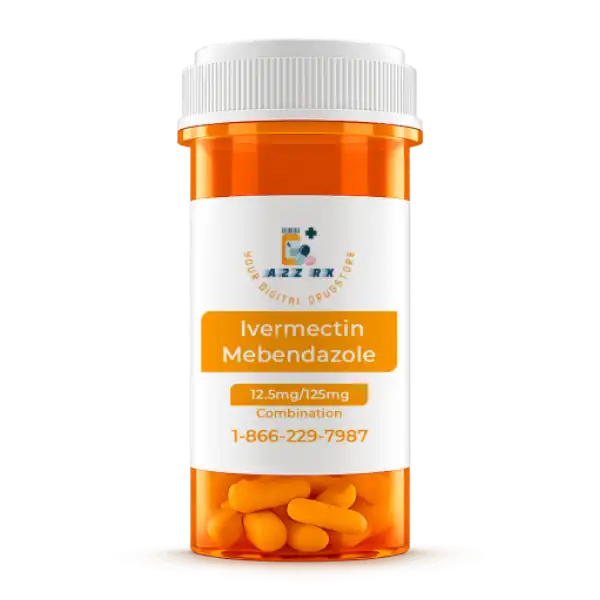
Ivermectin Capsule is a common search
term among people researching antiparasitic medications, available
formulations, dosage considerations, and potential side effects.
A2Z RX LLC provides
product information to help readers explore medication-related topics. However,
ivermectin is not suitable for every parasitic infection, and the appropriate
treatment depends on the parasite involved, the patient's medical history, and
the prescribed formulation.
This guide covers the established
medical uses of ivermectin, how dosage is determined, potential side effects,
and important safety precautions. It also explains why patients should verify a
product's formulation and labeling before considering treatment.
Source: U.S. Food and Drug Administration (FDA) - Ivermectin and
COVID-19
What Is Ivermectin?
Ivermectin is an
antiparasitic medication that interferes with the normal nerve and muscle
function of susceptible parasites. It is used to treat specific parasitic
infections when prescribed for an appropriate medical indication.
In the United States, FDA-approved oral
ivermectin tablets are indicated for intestinal strongyloidiasis and
onchocerciasis. Other ivermectin formulations have separate approved uses and
should not be assumed to have the same indications.
Before using a product, patients should verify the following details:
- Active ingredient and labeled strength.
- Dosage form, such as a tablet or capsule.
- Intended use and applicable prescribing information.
- Whether the product is intended for human use.
- Prescription requirements and the legitimacy of the supplier.
An online product listing alone does not
establish FDA approval or confirm that a particular formulation is appropriate
for a patient's condition.
Source: DailyMed, U.S. National Library of Medicine - Ivermectin
Prescribing Information
What Are the Approved Medical Uses of Ivermectin?
Ivermectin has established medical uses
for certain parasitic infections. The choice of treatment depends on the
organism involved, diagnostic findings, and the patient's individual
circumstances.
1. Intestinal
Strongyloidiasis
Intestinal strongyloidiasis is caused by
the parasitic roundworm Strongyloides stercoralis. Infection commonly
occurs when larvae in contaminated soil penetrate the skin.
Symptoms may include:
- Abdominal discomfort.
- Diarrhea or other digestive symptoms.
- Skin irritation or itching.
- Few or no noticeable symptoms in some individuals.
Oral ivermectin is a first-line
treatment for many cases of strongyloidiasis. A healthcare professional may
recommend diagnostic testing and follow-up to assess treatment response,
particularly when symptoms persist or the patient has a weakened immune system.
Source: CDC - Clinical Care of Strongyloides
2. Onchocerciasis
Onchocerciasis, also known as river
blindness, is caused by Onchocerca volvulus. The infection is
transmitted through repeated bites from infected blackflies and occurs
primarily in certain endemic regions.
Potential complications include:
- Persistent itching.
- Skin changes.
- Inflammation affecting the eyes.
- Vision impairment in severe cases.
Ivermectin reduces the number of
immature parasites, called microfilariae, that contribute to the disease. It
does not eliminate adult worms, so additional treatment and follow-up may be
required under clinical guidance.
Source: CDC - Clinical Treatment of Onchocerciasis
3. Other Parasitic
Infections
Ivermectin may be considered for certain
additional conditions in specific clinical circumstances. However, not every
use is FDA-approved, and ivermectin is not effective against every type of
parasite.
A healthcare professional may consider:
- The suspected or confirmed parasite.
- The patient's symptoms and exposure history.
- Available diagnostic test results.
- Alternative treatments and potential risks.
For additional educational resources,
visit the A2Z RX LLC Parasitic Worm Infections category or the Parasite Treatment Hub.
How Is Ivermectin Dosage Determined?
Ivermectin dosage varies according to
the infection being treated and the patient's clinical circumstances.
Healthcare professionals may consider body weight, medical history, other
medications, and the need for follow-up.
Important dosage considerations include:
- Type of infection: Different parasites require different treatment approaches.
- Body weight: Dosing for certain indications is weight-based.
- Medical history: Existing conditions may affect treatment decisions.
- Drug interactions: Other medications can influence safety.
- Treatment response: Follow-up may be necessary to evaluate whether the infection has resolved.
For example, treatment guidance for
strongyloidiasis differs from that for onchocerciasis. Patients should not
interchange regimens or calculate their own doses based on online information.
Follow the prescription instructions and
contact the prescribing healthcare professional or pharmacist if the dose or
schedule is unclear.
Source: DailyMed - Ivermectin Prescribing Information
Does Ivermectin Come in Different Strengths?
Ivermectin products may vary in strength
and formulation. Search terms such as ivermectin 15mg or Ivermectin 12mg do not
establish that a particular strength is FDA-approved for human use or suitable
for an individual patient.
Before considering a product, verify:
- The labeled strength and dosage form.
- The product's intended use.
- The manufacturer's information and applicable labeling.
- The prescription requirements.
- The suitability of the medication for the diagnosed condition.
A product's advertised strength should
never be used as the sole basis for selecting a treatment dose.
Source: FDA - Ivermectin and COVID-19
How Should Ivermectin Be Taken?
Administration instructions depend on
the specific formulation and prescribed indication. FDA-approved oral
ivermectin tablets are generally taken with water on an empty stomach for the
approved indications, according to their prescribing information.
Patients should follow the instructions
supplied with their own prescription rather than assuming all products have
identical administration requirements.
For responsible use:
- Take the medication exactly as prescribed.
- Do not increase the dose or repeat treatment without medical advice.
- Ask a pharmacist what to do if you miss a dose.
- Inform your healthcare professional about other medications and supplements.
- Attend recommended follow-up appointments or testing.
If symptoms persist or worsen, seek
medical advice instead of independently repeating the treatment.
Source: DailyMed - Ivermectin Prescribing Information
What Are the Potential Side Effects of Ivermectin?
Like other medications, ivermectin can
cause side effects. The type and severity of adverse effects may vary according
to the infection, treatment regimen, and individual response.
Potential side effects may include:
- Nausea or diarrhea.
- Dizziness.
- Abdominal discomfort.
- Itching or skin reactions.
- Weakness or fatigue.
Some reactions may also be associated
with the body's response to dying parasites. A healthcare professional can
assess whether symptoms are related to treatment or require further
investigation.
When Should You Seek Medical Attention?
Seek urgent medical attention if you experience serious symptoms, including:
- Difficulty breathing or significant swelling.
- Seizures or severe confusion.
- Fainting.
- Serious problems with balance or coordination.
Taking more than the prescribed amount
can be dangerous. If an overdose is suspected, seek urgent medical guidance
rather than waiting for symptoms to appear.
Source: FDA - Ivermectin and COVID-19
How Is a Parasitic Infection Diagnosed?
Symptoms alone cannot reliably identify
the parasite responsible for an infection. Different conditions may cause
similar symptoms, so diagnosis is an important step in selecting an appropriate
treatment.
Depending on the suspected infection, a healthcare professional may recommend:
- Stool testing: To identify certain intestinal parasites, eggs, or larvae.
- Blood testing: To investigate selected parasitic infections.
- Skin or other specimen testing: When a particular parasite requires a specialized diagnostic approach.
- Travel and exposure assessment: To evaluate potential contact with parasites in specific regions or environments.
Not every patient needs every test. The
diagnostic plan should reflect the symptoms, suspected organism, and relevant
medical history.
An accurate diagnosis helps determine
whether ivermectin is appropriate or whether another medication is preferable.
Source: CDC - Clinical Care of Strongyloides
Frequently Asked Questions About Ivermectin
1. What is ivermectin
primarily used for?
FDA-approved oral ivermectin tablets are
indicated for intestinal strongyloidiasis and onchocerciasis. Other
formulations have separate approved uses.
2. Can ivermectin treat
every type of intestinal worm?
No. Different parasites may require
different medications. Diagnostic testing and professional assessment help
identify an appropriate treatment.
3. Can I take
ivermectin without a prescription in the United States?
FDA-approved oral ivermectin tablets are
prescription medications in the United States. Consult a licensed healthcare
professional to determine whether treatment is appropriate.
4. Is ivermectin
available as a capsule or tablet?
The FDA-approved oral human formulation
discussed in U.S. prescribing information is a tablet. Any product advertised
as a capsule should be independently verified for its formulation, labeling,
and regulatory status.
5. How quickly does
ivermectin work?
The response depends on the parasite,
treatment regimen, and patient's clinical condition. Symptom improvement alone
may not confirm that the infection has cleared, so follow-up may be necessary.
6. Where can I find
information about ivermectin products?
A2Z RX LLC provides an Ivermectin
Capsules product listing. Review the available product details and
confirm the formulation, labeled strength, and suitability with a licensed
pharmacist or healthcare professional before use.
Explore Ivermectin Product Information at A2Z RX LLC
Readers researching ivermectin can
review the information available through A2Z RX LLC to understand the
details provided for its listed product. Before making a treatment decision,
verify the product's formulation, labeling, and suitability with a qualified
healthcare professional.
Responsible medication decisions should
be based on an appropriate diagnosis, reliable prescribing information, and
professional guidance rather than online product descriptions alone.
For additional educational information,
explore the A2Z RX LLC Parasite Treatment Hub and the Parasitic Worm Infections category.
Final Thought
Ivermectin is a prescription medication
used to treat certain parasitic infections when prescribed by a qualified
healthcare professional. The appropriate formulation, dosage, and duration
depend on the specific infection, the patient's medical history, and the
prescribing clinician's guidance. Before using an ivermectin product, confirm
its approved use, follow the prescription instructions, and discuss potential
side effects and interactions with your healthcare provider.
For more information about ivermectin
and related treatment resources, explore the links below:
1 Ivermectin
Capsules: Review the product information and
available details.
2 Parasitic Worm Infection Treatments: Explore the
category for related treatment options.
3 Parasite Treatment Hub: Find
additional educational resources about parasite treatment.
Always consult a qualified healthcare
professional to determine whether a particular medication is appropriate for
your condition.
Written by: A2ZRx
Editorial Team
Last Updated: October 23, 2026
References
- U.S. Food and Drug
Administration (FDA) - Ivermectin and COVID-19: Regulatory
information, veterinary product warnings, and risks associated with
inappropriate use. Read the FDA guidance.
- DailyMed, U.S.
National Library of Medicine - Ivermectin Prescribing Information: Approved
oral indications, dosage considerations, and administration instructions. Review prescribing information.
- Centers for
Disease Control and Prevention (CDC) - Clinical Care of Strongyloides: Treatment
guidance, patient precautions, and follow-up considerations. Read CDC guidance.
- Centers
for Disease Control and Prevention (CDC) - Clinical Treatment of
Onchocerciasis: Treatment considerations for
onchocerciasis and ivermectin's role in managing the infection. Read CDC guidance.