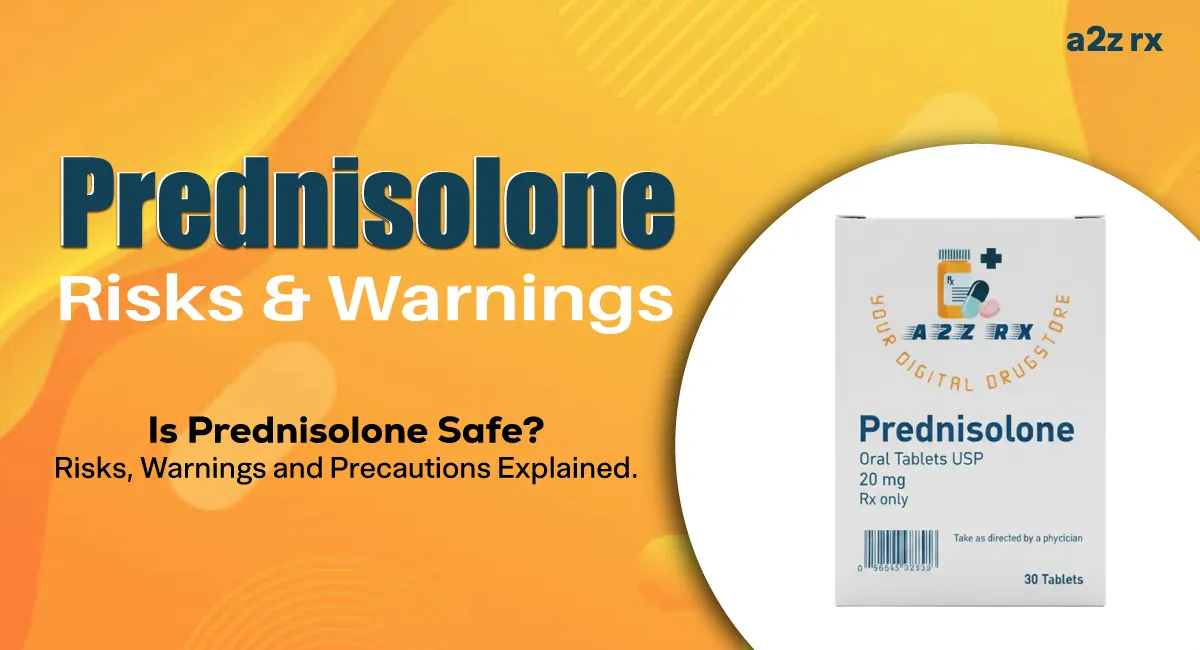
Prednisolone is a widely prescribed medication used to manage inflammation, autoimmune conditions, and certain allergic reactions. Often available as prednisolone oral tablets, this steroid helps control symptoms effectively, but like any medication, it comes with potential risks. In this article, we’ll explore the uses, precautions, and safety considerations for the prednisolone 20 mg tablet.
What Is Prednisolone?
One corticosteroid that suppresses the immune system and lowers inflammation is prednisolone. Doctors prescribe it for conditions like asthma, arthritis, lupus, and other autoimmune diseases. The medication is available in different strengths, including the commonly used prednisolone 20 mg tablet.
Uses of Prednisolone 20 mg Tablet
The prednisolone 20 mg tablet is versatile and can be used for several conditions, such as:
- Arthritis: Helps reduce joint inflammation and pain. The prednisolone for arthritis dose is typically determined by a doctor based on severity.
- Autoimmune diseases: Conditions like lupus or multiple sclerosis can benefit from its immune-suppressing effects. The prednisolone for autoimmune disease dose varies widely depending on the condition.
- Severe allergies and asthma: Reduces inflammation and prevents flare-ups.
- Other inflammatory conditions: Prednisolone can also be prescribed for skin diseases, certain blood disorders, and eye inflammations.
For accurate dosage and duration, always follow your doctor’s instructions.
Risks and Side Effects
While effective, prednisolone may cause side effects, especially with long-term use. Some common side effects include:
- Weight gain and fluid retention
- Mood swings or sleep disturbances
- Increased blood pressure and blood sugar levels
- Weakening of bones (osteoporosis)
More serious risks can occur, such as a higher susceptibility to infections or adrenal gland suppression, especially if taken without proper medical supervision.
Warnings and Precautions
Before starting prednisolone 20 mg tablets, discuss your medical history with your doctor. Key precautions include:
- Infections: Inform your doctor if you have a history of tuberculosis, hepatitis, or other infections.
- Diabetes and heart conditions: Prednisolone can increase blood sugar and blood pressure, so monitoring is essential.
- Pregnancy and breastfeeding: Consult your doctor, as steroids can affect fetal development or pass into breast milk.
- Tapering off: Never stop prednisolone suddenly. Gradual reduction is required to avoid withdrawal symptoms.
Price and Availability
The prednisolone 20 mg price may vary depending on your location and pharmacy. You can find it at most pharmacies under different brands or generic options, including A2Z RX, known for providing reliable prednisolone oral tablets.
Conclusion
The prednisolone 20 mg tablet is an effective treatment for a variety of inflammatory and autoimmune conditions. However, its use must be carefully monitored to minimize side effects and complications. Always follow your doctor’s prescription, report any unusual symptoms, and never self-medicate. With proper supervision, prednisolone can significantly improve quality of life while managing chronic conditions safely.