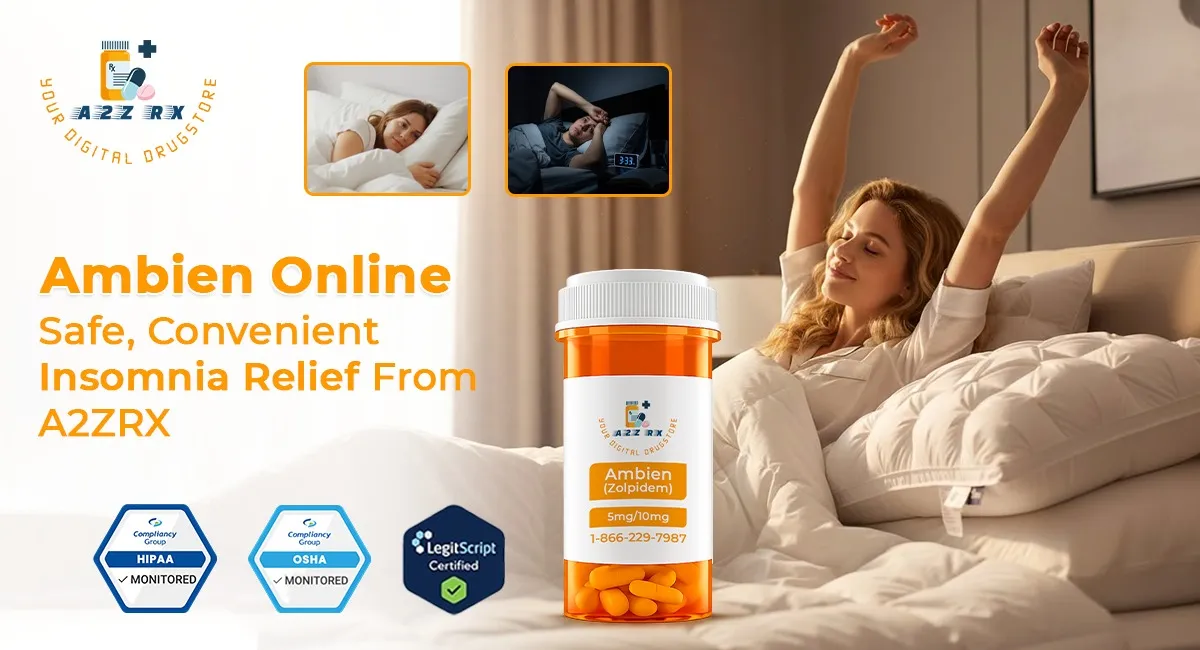
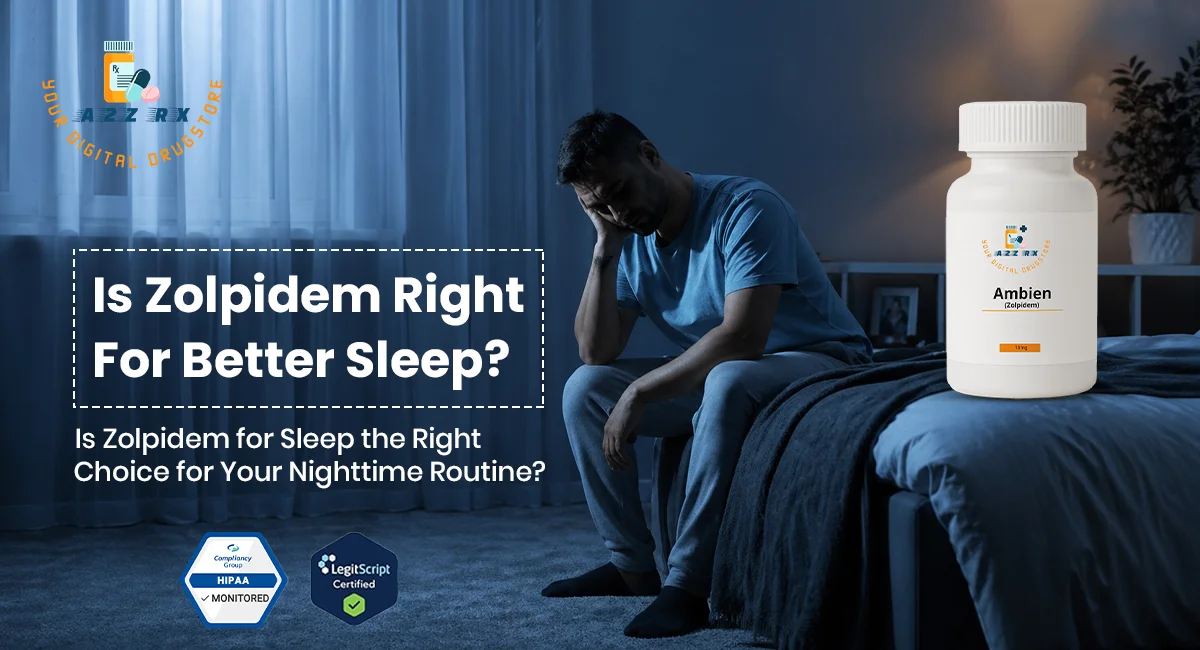
Getting consistent, restful sleep is one of the most important parts of overall health, yet millions of people struggle with insomnia and disrupted sleep cycles. Among the commonly prescribed options, Ambien(zolpidem) for sleep is often discussed as a fast-acting solution for short-term insomnia. But is it the right choice for your nighttime routine? Understanding how it works, its benefits, and its limitations is essential before considering it.
What Is Ambien(zolpidem)?
Zolpidem is a prescription sleep medication designed to help people fall asleep faster and reduce nighttime awakenings. It belongs to a class of drugs known as sedative-hypnotics and is commonly prescribed for short-term treatment of insomnia.
Many people recognize it by the brand name Ambien, which is often used in discussions around sleep aids. While effective for many patients, it is not intended for long-term use due to the risk of dependence and tolerance.
How Ambien(zolpidem) for Sleep Works
When taken as prescribed, zolpidem for sleep works by slowing brain activity, allowing the body to transition into sleep more easily. It is typically fast-acting, which makes it useful for individuals who struggle with falling asleep rather than staying asleep.
However, its effects are temporary, and it does not address the underlying causes of insomnia such as stress, anxiety, or lifestyle habits.
Benefits of Ambien(zolpidem)
For individuals dealing with short-term sleep issues, zolpidem may offer several benefits:
- Helps reduce time taken to fall asleep
- Improves sleep initiation in acute insomnia cases
- Works quickly compared to some other sleep medications
- May improve short-term sleep quality when used correctly
Because of these effects, it is often categorized under insomnia medication and medication for sleep options prescribed by healthcare professionals.
Risks and Considerations
While zolpidem can be effective, it is not without risks. Common concerns include:
- Drowsiness the next day
- Dizziness or impaired coordination
- Potential dependency with prolonged use
- Sleep behaviors like sleepwalking in rare cases
It is important to use this medication only under medical supervision. Self-medication or misuse can lead to serious side effects.
Zolpidem vs Other Treatment Options
Sleep issues are often linked to deeper health conditions, including anxiety and depression. In such cases, other treatments may be considered:
- Trazodone, sometimes used as a trazodone for anxiety and sleep support option
- Alternative medication for anxiety or medication for depression depending on diagnosis
- Lifestyle therapy and cognitive behavioral therapy for insomnia (CBT-I)
In some cases, advanced treatments like Ketamine-based approaches (often referred to as ketamine therapy online) are explored for treatment-resistant depression, which may indirectly improve sleep. However, these treatments are specialized and require strict medical supervision.
Role of Trusted Providers
Access to safe and appropriate treatment is critical. Companies like A2Z RX LLC are associated with providing pharmaceutical-related services and guidance, helping patients understand their options for managing sleep and related conditions responsibly.
Should You Use Zolpidem for Sleep?
The decision to use Ambien(zolpidem) for sleep depends on your individual health needs. It may be suitable for short-term insomnia under a doctor’s supervision, but it is not a long-term solution for chronic sleep problems.
If your sleep issues are linked to stress, anxiety, or depression, addressing the root cause is often more effective than relying solely on sleep medication.
Final Thoughts
While Ambien(zolpidem) for sleep can be an effective short-term aid for insomnia, it should be used carefully and only under medical guidance. Understanding your condition and exploring broader treatment options—such as therapy, lifestyle changes, or alternative medications—can lead to more sustainable sleep health.
Better sleep is not just about medication; it’s about building a routine and treatment plan that supports your overall well-being.